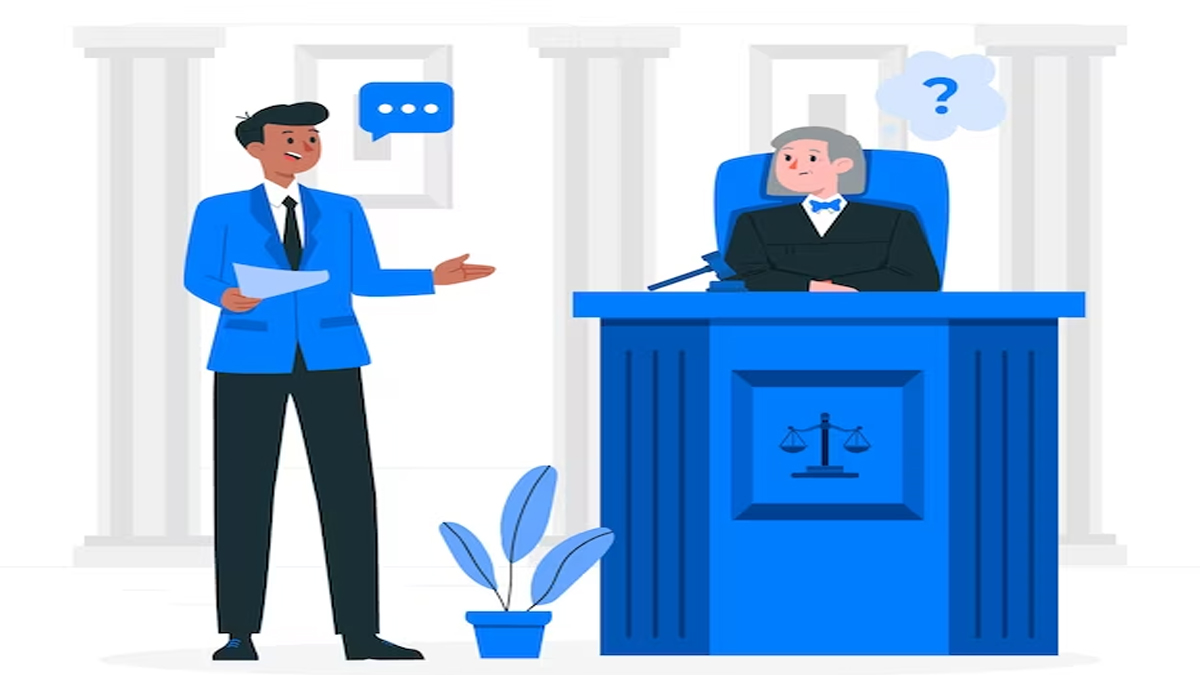
A legal notice is not just a warning letter—it often forms the foundation of future legal action. Understanding what happens if you ignore it is crucial.
What Is a Legal Notice?
A legal notice is a formal written communication sent by one party to another, informing them of a legal grievance and demanding corrective action within a specific time. It is commonly issued before filing civil or criminal cases.
Is It Mandatory to Reply to a Legal Notice?
There is no law that forces you to reply, but ignoring a legal notice can seriously weaken your position. Courts often view silence as unwillingness to resolve the dispute amicably.
Legal Consequences of Ignoring a Legal Notice
Ignoring a legal notice may lead to:
• Filing of a civil or criminal case
• Adverse inference by courts
• Loss of opportunity to settle early
• Higher legal costs later
In many cases, the notice sender uses your non-response as proof that reasonable opportunity was given.
Impact on Civil Cases
In civil disputes such as money recovery, property disputes, or contract breaches, ignoring a notice can result in:
• Ex-parte orders
• Faster court proceedings against you
• Reduced negotiation leverage
Courts expect parties to attempt settlement before litigation.
Impact on Criminal Matters
In cheque bounce cases, domestic disputes, or defamation matters, ignoring a notice can directly lead to:
• Criminal complaint filing
• Court summons
• Warrants in extreme cases
Should You Always Reply?
Yes—but carefully. A poorly drafted reply can harm you more than no reply. Legal replies should:
• Avoid admissions
• State facts clearly
• Preserve your legal rights
Role of Online Legal Consultation
Online legal platforms help draft precise, legally safe replies without emotional or impulsive language.
Conclusion
Ignoring a legal notice is rarely a smart move. A timely and well-drafted response can prevent litigation, reduce costs, and protect your legal position.