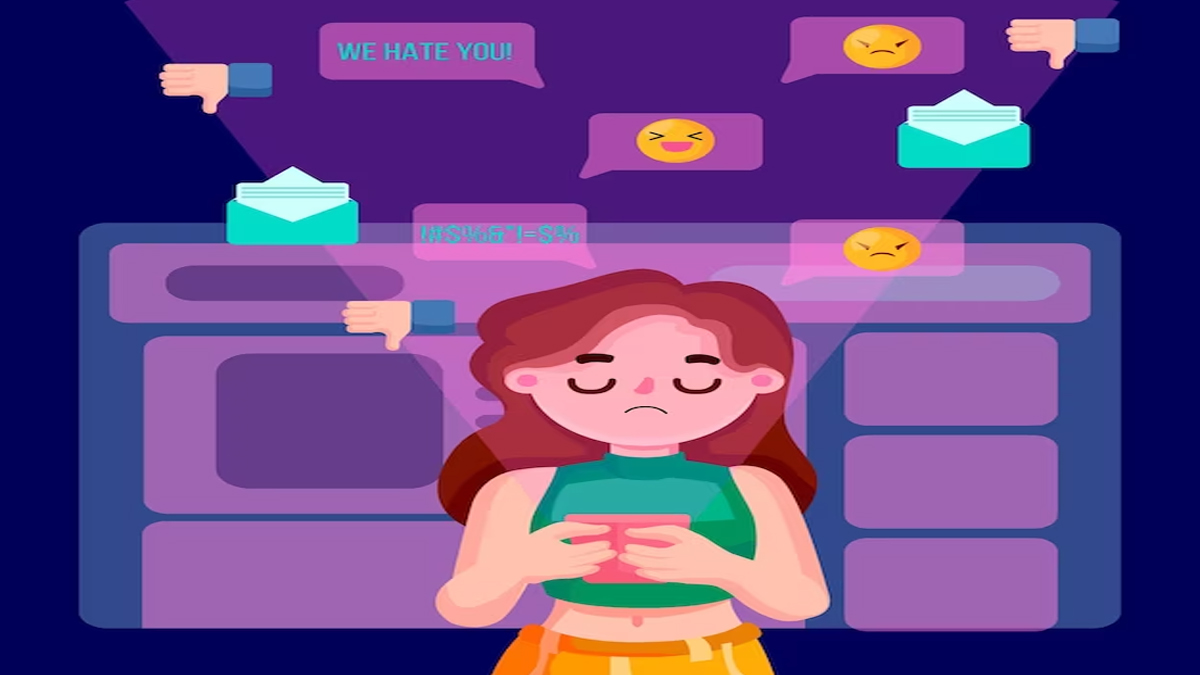
While digital platforms enable free speech and public discussion, they have also increased the risk of reputational harm caused by false statements. Online defamation law in India addresses situations where individuals or organizations suffer damage to their reputation due to defamatory content published on the internet.
Posts, comments, blogs, videos, and even memes can potentially lead to social media defamation India if they contain false allegations or statements that harm a person’s reputation. Understanding the legal framework surrounding digital defamation cases India is important for both content creators and social media users.
What Is Online Defamation?
Defamation refers to any false statement made about a person that damages their reputation in the eyes of the public. When such statements are published through digital platforms such as social media, blogs, or websites, it falls under online defamation law in India.
Online defamation can take various forms including:
• False accusations posted on social media
• Misleading blog articles or news reports
• Fake reviews harming a business reputation
• Edited or manipulated videos spreading false claims
• Defamatory comments in online forums
These situations may qualify as social media defamation India if they cause reputational harm.
Legal Framework Governing Defamation in India
Defamation in India is governed by both civil and criminal law. The criminal aspect of defamation law India is addressed under the Indian Penal Code, 1860, which defines defamation and prescribes penalties for publishing defamatory content.
Victims may also pursue civil lawsuits to claim compensation for damages caused by defamatory statements.
Elements Required to Prove Online Defamation
To succeed in a case under online reputation law India, certain elements must be established.
These include:
• A false statement about a person or organization
• Publication of that statement to a third party
• Harm caused to the individual’s reputation
• Lack of lawful justification or defense
Courts carefully examine these elements before determining liability in digital defamation cases India.
Social Media Liability and User Responsibility
Social media platforms allow users to share information instantly, but this convenience also increases the risk of defamatory content spreading rapidly. Individuals posting comments or allegations online must ensure that their statements are truthful and supported by facts.
Under online defamation law in India, users may be held legally responsible for defamatory posts, even if the content is shared or reposted from another source.
Legal Remedies for Victims of Online Defamation
Victims of social media defamation India have several legal options to protect their reputation.
Possible legal remedies include:
• Filing a criminal complaint for defamation
• Initiating a civil lawsuit for monetary damages
• Seeking a court order to remove defamatory content
• Requesting an apology or correction from the publisher
These cyber defamation legal remedies India help individuals restore their reputation and prevent further harm.
Defenses Against Defamation Claims
Certain legal defenses may protect individuals accused of online defamation.
Common defenses include:
• Truth or factual accuracy of the statement
• Fair comment or opinion made in good faith
• Statements made in the public interest
• Privileged communication under law
If these defenses are successfully established, liability under defamation law India may not arise.
Importance of Responsible Digital Communication
With millions of users actively sharing information online, responsible communication has become essential. Posting unverified allegations or spreading rumors can lead to serious legal consequences under online reputation law India.
Users must verify information before publishing it and avoid making statements that may harm someone’s reputation without proper evidence.
Conclusion
Online defamation law in India plays an important role in protecting individuals and businesses from reputational harm in the digital environment. As social media continues to expand, cases of social media defamation India are becoming increasingly common. Understanding defamation law India and available cyber defamation legal remedies India helps individuals safeguard their reputation and use digital platforms responsibly.