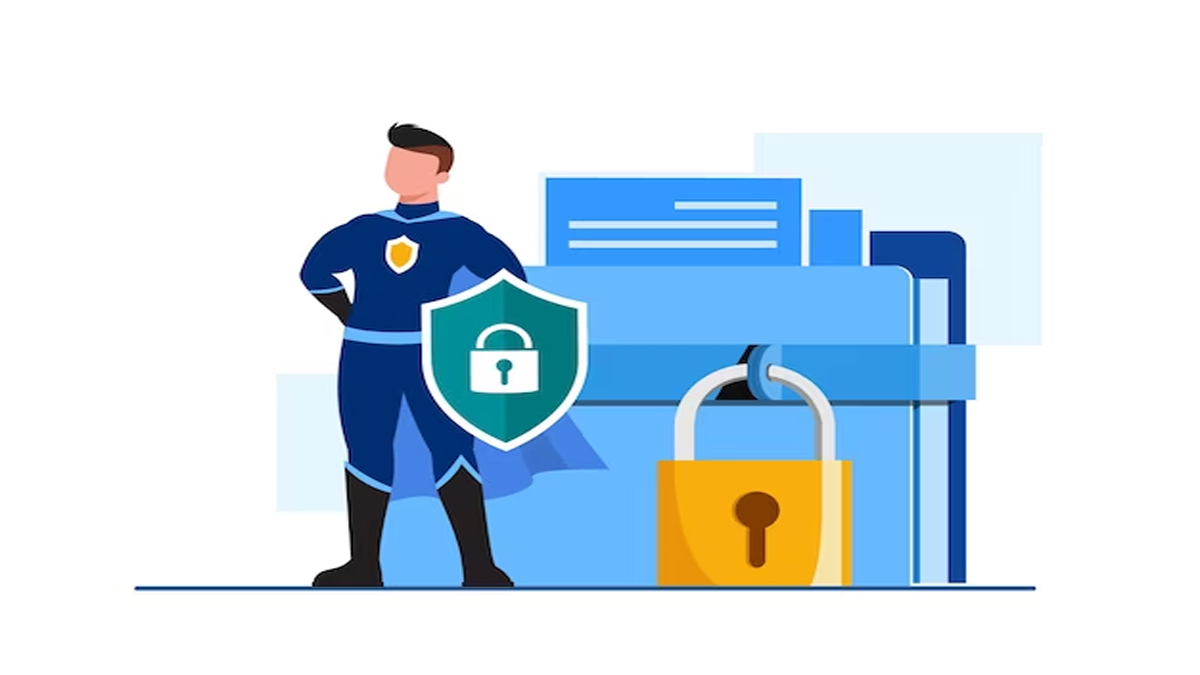
With rising cyber threats and data misuse cases, understanding data protection law India is essential for both individuals and businesses.
India has strengthened its legal framework to safeguard digital privacy rights India and regulate how organizations collect, store, and process personal data.
What Is Data Protection Law in India?
Data protection law India governs how personal information is handled by companies, government bodies, and digital platforms. It ensures transparency, accountability, and security in data processing activities.
The personal data protection act India framework introduces structured obligations for data fiduciaries (entities collecting data) and rights for data principals (individuals whose data is collected).
Key Digital Privacy Rights of Individuals
Under emerging data protection law India standards, individuals enjoy several digital privacy rights India, including:
• Right to access personal data
• Right to correction and erasure
• Right to grievance redressal
• Right to withdraw consent
• Right to data portability (in certain cases)
These rights empower citizens to control how their information is used.
Obligations of Businesses and Organizations
Companies must ensure lawful data collection, clear consent mechanisms, and robust cybersecurity measures. Sensitive personal data requires enhanced protection and strict compliance.
Failure to comply with personal data protection act India provisions may result in financial penalties and regulatory action.
Data Breaches and Legal Consequences
A data breach occurs when personal information is accessed, disclosed, or stolen without authorization. In such situations, data breach legal action can be initiated against negligent organizations.
Companies are required to report significant breaches to regulatory authorities and affected individuals. Compensation claims may also arise if negligence causes harm.
Impact on Startups and Digital Businesses
Startups handling user data must implement privacy policies, data encryption practices, and internal compliance systems. Non-compliance with data protection law India can damage brand reputation and invite regulatory scrutiny.
Digital businesses, fintech platforms, and e-commerce companies are particularly affected due to large-scale data processing.
How Individuals Can Protect Their Privacy
• Review privacy policies before sharing data
• Limit unnecessary app permissions
• Use secure networks for transactions
• Regularly update passwords
• Monitor suspicious account activity
Awareness strengthens digital privacy rights India in practical terms.
Conclusion
Data protection law India aims to balance innovation with privacy safeguards. Through the personal data protection act India framework, individuals gain stronger digital privacy rights India, while organizations must adopt transparent data practices. In cases of misuse or unauthorized disclosure, data breach legal action provides remedies. Seeking timely online legal advice India ensures proper compliance and effective protection of personal information in the digital age.