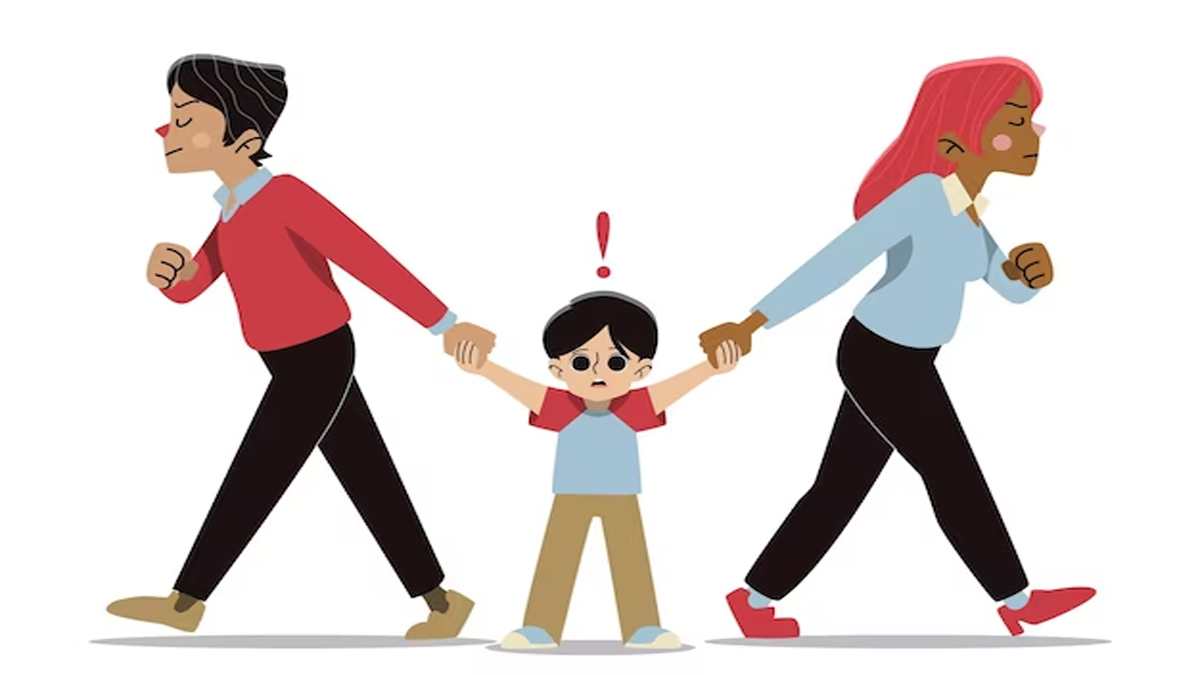
Types of Child Custody
Indian law recognizes:
- Physical custody
- Legal custody
- Joint custody
- Visitation rights
Courts decide based on child’s welfare.
Factors Considered by Courts
Courts consider:
- Age and gender of the child
- Emotional and educational needs
- Financial stability of parents
- Child’s preference (if mature)
No parent has automatic custody rights.
Custody of Minor Children
Traditionally, mothers are preferred for young children, but this is not a fixed rule. Fathers may be granted custody where circumstances demand.
Visitation Rights
Non-custodial parents have visitation rights unless it harms the child. Courts encourage healthy parent-child relationships.
Modification of Custody Orders
Custody orders can be modified if circumstances change. The child’s best interest remains paramount.
Role of Legal Advice
Custody disputes are emotionally charged. Legal guidance helps parents present facts objectively and avoid prolonged conflict.
Online Legal Consultation
Online family law consultations provide clarity and reduce stress during custody proceedings.
Conclusion
Child custody laws focus on the child’s welfare, not parental victory. Responsible legal action ensures stability and emotional security for children.