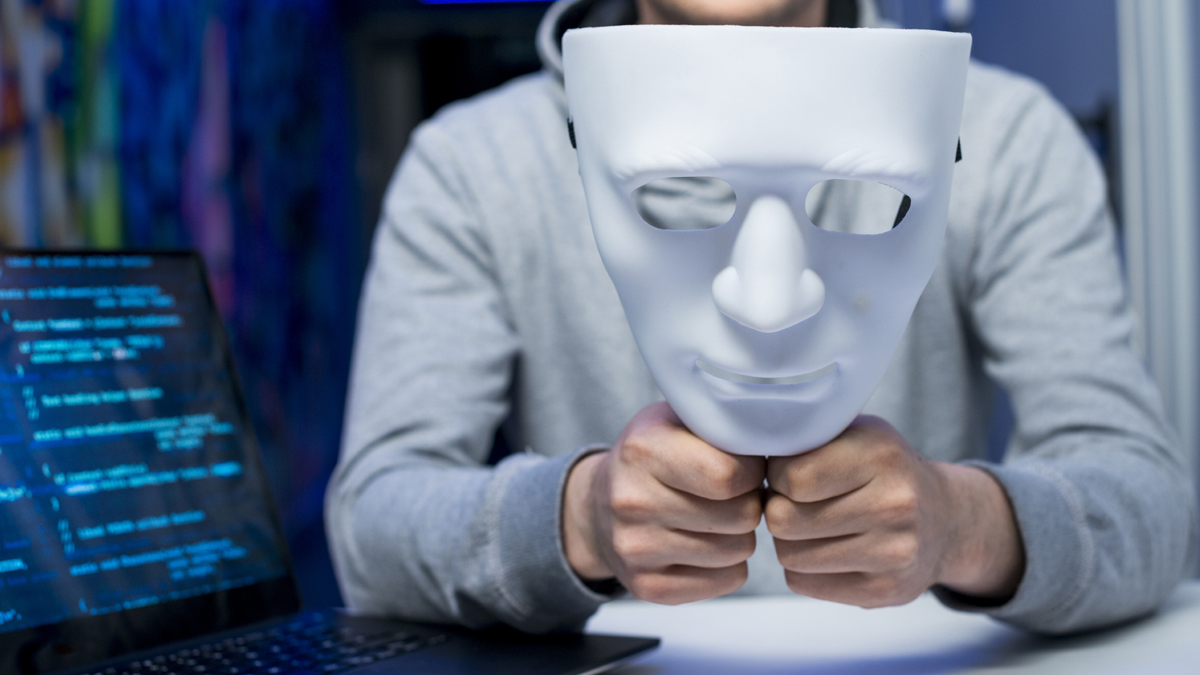
One of the most controversial developments in this field is deepfake technology, which uses artificial intelligence to generate fake videos, images, or audio recordings that appear real. While this technology has creative and entertainment applications, it also creates serious legal and ethical challenges. Deepfake laws in India are becoming increasingly important as authorities attempt to address misuse of AI-generated media.
Deepfake content can be used to manipulate public opinion, damage reputations, spread misinformation, or impersonate individuals online. Understanding deepfake legal issues India is essential for protecting individuals and maintaining digital trust in an era of advanced artificial intelligence.
What Is Deepfake Technology?
Deepfake technology uses artificial intelligence and machine learning algorithms to create realistic but fabricated audio or video content. By analyzing existing images or recordings of a person, AI systems can generate new content where the individual appears to say or do things that never actually occurred.
Common uses of deepfake technology include:
• AI-generated celebrity videos
• Manipulated political speeches
• Fake news or misinformation videos
• Synthetic voice recordings
• Edited images or videos used for impersonation
When used maliciously, these activities may fall under cybercrime deepfake India concerns.
Legal Framework Addressing Deepfakes in India
India currently does not have a single law dedicated exclusively to deepfake technology. However, several existing laws can address the misuse of AI-generated content.
One important legal framework is the Information Technology Act, 2000, which regulates cyber activities and digital content distribution.
Additionally, certain provisions of the Indian Penal Code, 1860 may apply in cases involving impersonation, fraud, or defamation caused by deepfake content.
These laws provide the legal foundation for addressing artificial intelligence misuse law India issues.
Legal Risks Associated with Deepfake Technology
The misuse of deepfake technology can create multiple legal problems.
Some major deepfake legal issues India include:
• Digital impersonation of individuals
• Defamation and reputational harm
• Online harassment or cyberbullying
• Financial fraud using fake video evidence
• Manipulation of political or public discourse
These risks highlight the growing need for stronger digital impersonation law India protections.
Impact on Privacy and Reputation
Deepfake content can significantly affect an individual’s privacy and personal reputation. If someone’s image or voice is manipulated without consent, it may create false impressions that damage their professional or personal life.
Victims may pursue legal action under existing laws related to cybercrime deepfake India and defamation.
Challenges in Regulating Deepfakes
Regulating deepfake technology presents several complex challenges for lawmakers and regulators.
These challenges include:
• Difficulty detecting sophisticated AI-generated content
• Rapid spread of manipulated media through social platforms
• Cross-border distribution of deepfake content
• Lack of specialized laws addressing AI-generated media
Authorities are increasingly examining ways to strengthen artificial intelligence misuse law India to address these issues.
Role of Technology Platforms
Digital platforms play an important role in controlling the spread of deepfake content. Social media companies and online platforms are expected to monitor harmful content and remove manipulated media that violates platform policies.
Improved content moderation systems and AI-based detection tools are being developed to identify deepfakes more effectively.
Future of Deepfake Regulation in India
As artificial intelligence technology continues to evolve, governments worldwide are working on new regulatory frameworks. India may introduce more comprehensive policies specifically addressing deepfake laws in India and AI-generated content.
Future regulations may focus on transparency requirements, stronger penalties for misuse, and advanced detection technologies.
Conclusion
Deepfake laws in India are becoming increasingly important as artificial intelligence tools enable the creation of highly realistic but misleading digital content. Although existing laws such as the Information Technology Act and provisions of the Indian Penal Code can address certain cases, the growing misuse of AI-generated media presents new legal challenges. Strengthening deepfake legal issues India frameworks and developing effective artificial intelligence misuse law India regulations will be essential to protect individuals, maintain trust in digital information, and prevent cybercrime deepfake India activities.