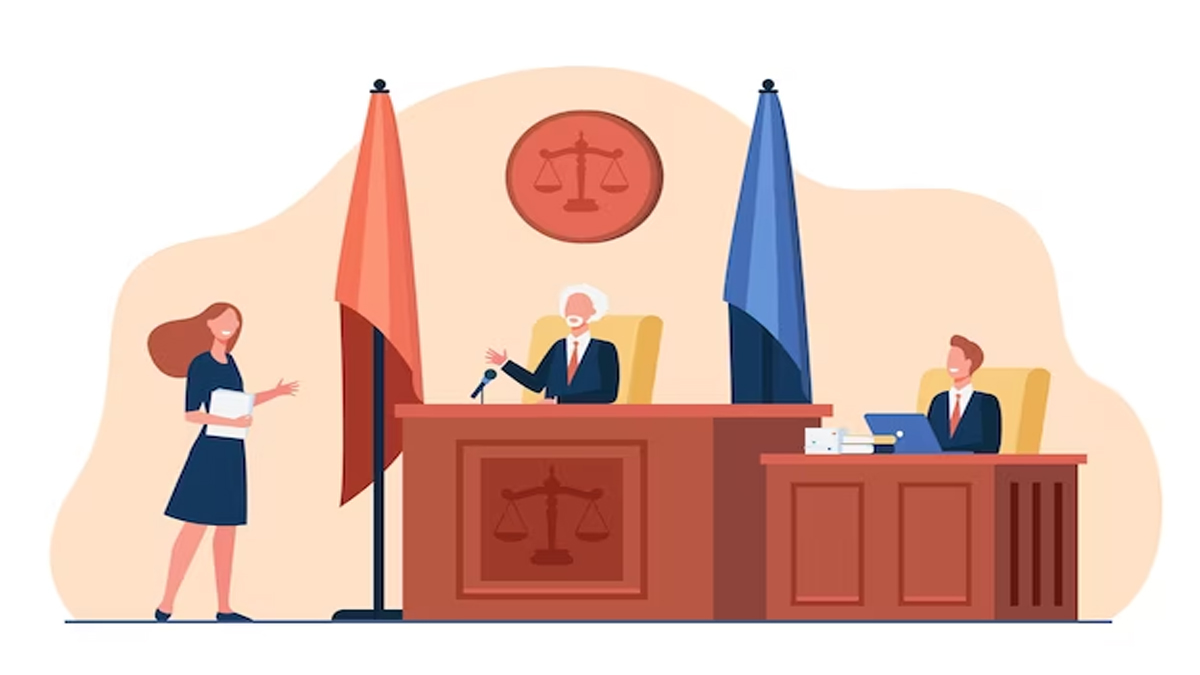
Understanding what a court summons actually means—and what follows after it is issued—helps individuals respond calmly and lawfully.
What Is a Court Summons?
A court summons is a legal document issued by a court directing a person to appear before it on a specific date and time. It may be issued in civil cases, criminal cases, family disputes, or consumer matters.
A summons is not an arrest warrant. It is simply a formal request to participate in legal proceedings.
Why Is a Summons Issued?
A summons may be issued when:
- A case is filed naming you as a party
- Your presence is required as a witness
- You are required to submit documents or explanations
Courts prefer summons over coercive steps to ensure fairness.
How Is a Summons Served?
Summons can be served through:
- Court process servers
- Registered post or courier
- Police officials
- Electronic means (in some cases)
Proper service is legally important. Courts verify whether summons has been served correctly.
What Should You Do After Receiving a Summons?
After receiving a summons:
- Read it carefully – check case number, court name, and date
- Do not ignore it – non-appearance has consequences
- Consult a lawyer to understand your role
- Prepare documents if required
Even in simple matters, legal guidance prevents mistakes.
What Happens on the Court Date?
On the scheduled date:
- Your presence is marked
- The court explains the case status
- Further instructions or dates are given
In criminal cases, the court may decide whether personal appearance is required on future dates.
What If You Fail to Appear?
If you ignore a summons:
- The court may issue a bailable warrant
- Repeated absence may lead to non-bailable warrant
- Adverse orders may be passed
Ignoring a summons only worsens the situation.
Can Appearance Be Exempted?
Yes. Courts may grant exemption from personal appearance through an advocate, especially in civil or minor criminal matters.
Conclusion
A court summons is a procedural step, not a punishment. Timely response and legal awareness ensure smooth handling of the case and prevent unnecessary legal trouble.